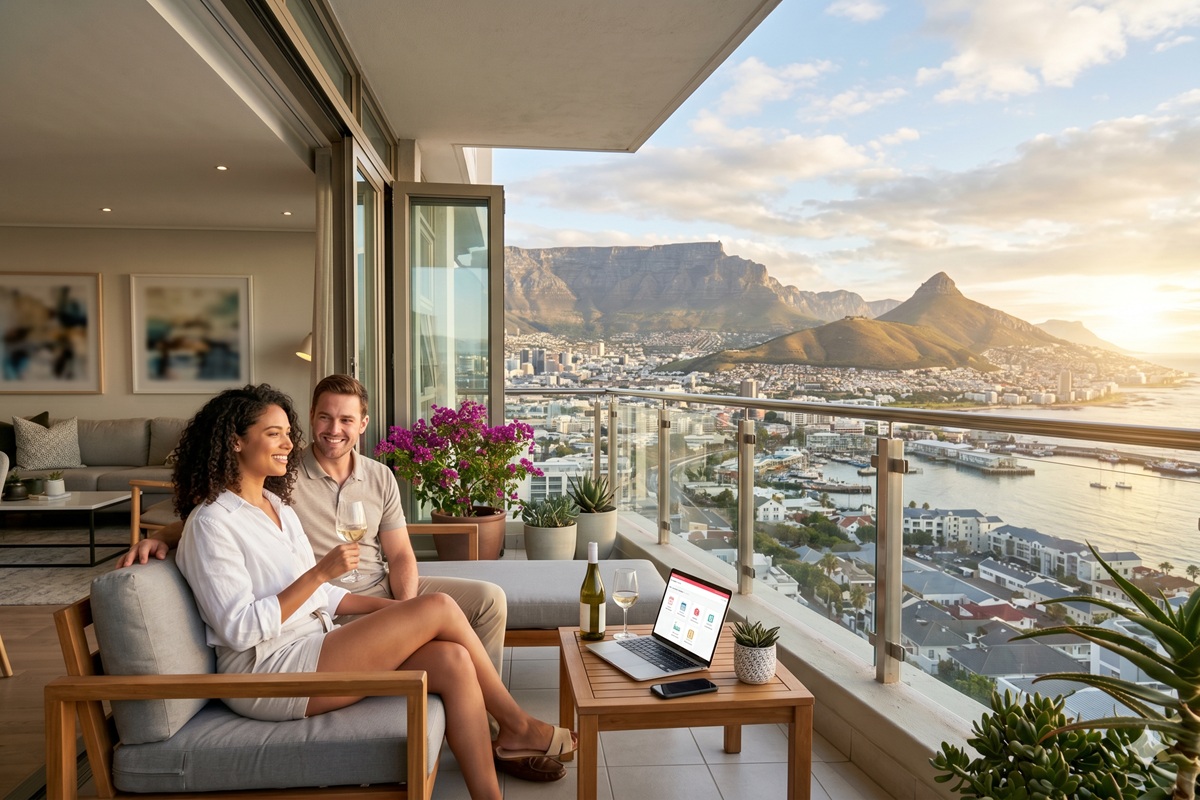
Owning property in the Mother City offers incredible potential for short-term rental returns. Cape Town remains a top global destination, drawing millions of visitors from digital nomads to festive holidaymakers. However, the market is competitive; simply listing a beautiful apartment is no longer enough to guarantee top-tier earnings. To truly maximize Airbnb revenue in Cape Town, you need a data-driven approach that goes beyond basic hosting. This guide explores professional techniques to optimize your listing, navigate the city’s unique peaks, and ensure your property outperforms the local competition throughout the calendar year.
Mastering the Local Market Dynamics
The secret to success in the Western Cape lies in balancing your occupancy vs. ADR. While it is tempting to chase a high Average Daily Rate, a vacant property earns nothing. Conversely, a high occupancy rate at a low price point often results in unnecessary wear and tear without the profit margins to match. You must find the sweet spot where your price reflects the value of the home while remaining attractive enough to maintain a full calendar.
Leveraging Intelligent Pricing Tools
Professional hosts no longer rely on manual price updates. Implementing dynamic pricing algorithms allows your rates to adjust automatically based on real-time market demand. These systems scan local supply, competitor availability, and even flight booking trends to ensure your listing is always priced competitively. If a sudden surge of tourists arrives for a surprise event, these algorithms capture that value before you even notice the trend.
Architecting Your Seasonal Strategy
Cape Town is a city of extremes when it comes to travel seasons. To maximize Airbnb revenue in Cape Town, you must implement a seasonal rate architecture that accounts for the dramatic shifts between the sunny summer and the quieter winter months.
- Peak Summer (December to February): This is when demand is at its absolute highest. Your rates should reflect premium pricing, often with longer minimum stay requirements to prevent “gap nights.”
- Shoulder Seasons (March to May & September to November): These months offer stable weather and attract different demographics, such as hikers and wine enthusiasts. Focus on mid-range pricing and flexible check-in dates.
- Winter Low (June to August): Capture the digital nomad market by offering significant monthly discounts. Focus on high occupancy rather than high nightly rates during this period.
- Event Spikes: Always keep an eye on the city’s social calendar. Major gatherings provide unique opportunities for event-based revenue growth.
Strategic Growth Through Events
Large-scale events like the Cape Town Cycle Tour, the Two Oceans Marathon, or the International Jazz Festival bring thousands of visitors to the city simultaneously. These windows are essential if you want to maximize Airbnb revenue in Cape Town. During these periods, demand far exceeds supply; this allows for significant rate increases.
Beyond just raising prices, consider tailoring your listing description to these visitors. For example, if your property is near the finish line of a major race, highlight your secure bike storage or proximity to the starting gates. This targeted approach ensures you capture the most profitable bookings during high-traffic weeks.
Optimising Long-Term Performance
Consistency is the foundation of a profitable rental. To consistently maximize Airbnb revenue in Cape Town, your property must maintain a high search ranking. This is achieved through a combination of fast response times, professional photography, and excellent guest reviews.
- Professional Listings: Ensure your photos are updated seasonally to reflect the current vibe of the city.
- Amenity Focus: High-speed internet is now a non-negotiable requirement for the growing number of remote workers visiting the city.
- Algorithm Alignment: By using dynamic pricing algorithms, you signal to the platform that your listing is active and market-relevant, which can improve your visibility in search results.
- Revenue Audits: Regularly review your monthly statements to compare your occupancy vs. ADR against citywide benchmarks.
Partner With Cape Town’s Rental Experts
Managing a high-performing Airbnb requires time, data, and local expertise. At CTHA, we specialise in helping property owners navigate the complexities of the Cape Town market. From setting up your seasonal rate architecture to managing guest relations and maintenance, our team handles every detail. We use advanced technology to drive event-based revenue growth and ensure your property stays booked at the best possible price. If you are ready to take your rental income to the next level without the daily stress of management, we are here to help. Contact Us today for a professional valuation of your property’s earning potential.
FAQs
How can I maximize Airbnb revenue in Cape Town during the winter?
The best way to maintain income during the rainy season is to pivot towards long-stay guests and digital nomads. Offering weekly or monthly discounts helps maintain high occupancy when nightly demand is lower.
What is the difference between occupancy vs. ADR?
Occupancy is the percentage of nights your property is booked; ADR (Average Daily Rate) is the average price you charge per night. A successful strategy balances both to ensure the highest total monthly revenue.
Why should I use dynamic pricing algorithms?
These tools remove the guesswork from hosting. They automatically raise your prices during high-demand periods like the festive season and lower them to attract bookings during quieter mid-week gaps.
What events drive event-based revenue growth in the city?
Major annual events like the Cape Town International Jazz Festival, the Cycle Tour, and various international conferences create massive spikes in demand that allow for premium pricing.
How does seasonal rate architecture help my business?
A seasonal rate of architecture ensures you aren’t leaving money on the table during summer or pricing yourself out of the market during winter. It aligns your property with the natural flow of Cape Town’s tourism cycles.